Are scratch-off lottery codes real?

Larry Nguyen
Founder of Scratch IQ
Written
Quick answer
No. There is no public-facing scratch-off code that reveals winners. Most state lottery commissions publish per-tier remaining prize counts on their public websites, and that data is what Scratch IQ uses to rank games by Expected Value per Dollar.
Posts online claim that codes printed on scratch-off tickets tell you which ones are winners before you scratch. State lotteries do not publish a code that tells you whether a ticket is a winner. What most of them publish daily is the count of how many prizes are left at each prize level. That public data is what we use to rank games by EV/Dollar on this site.
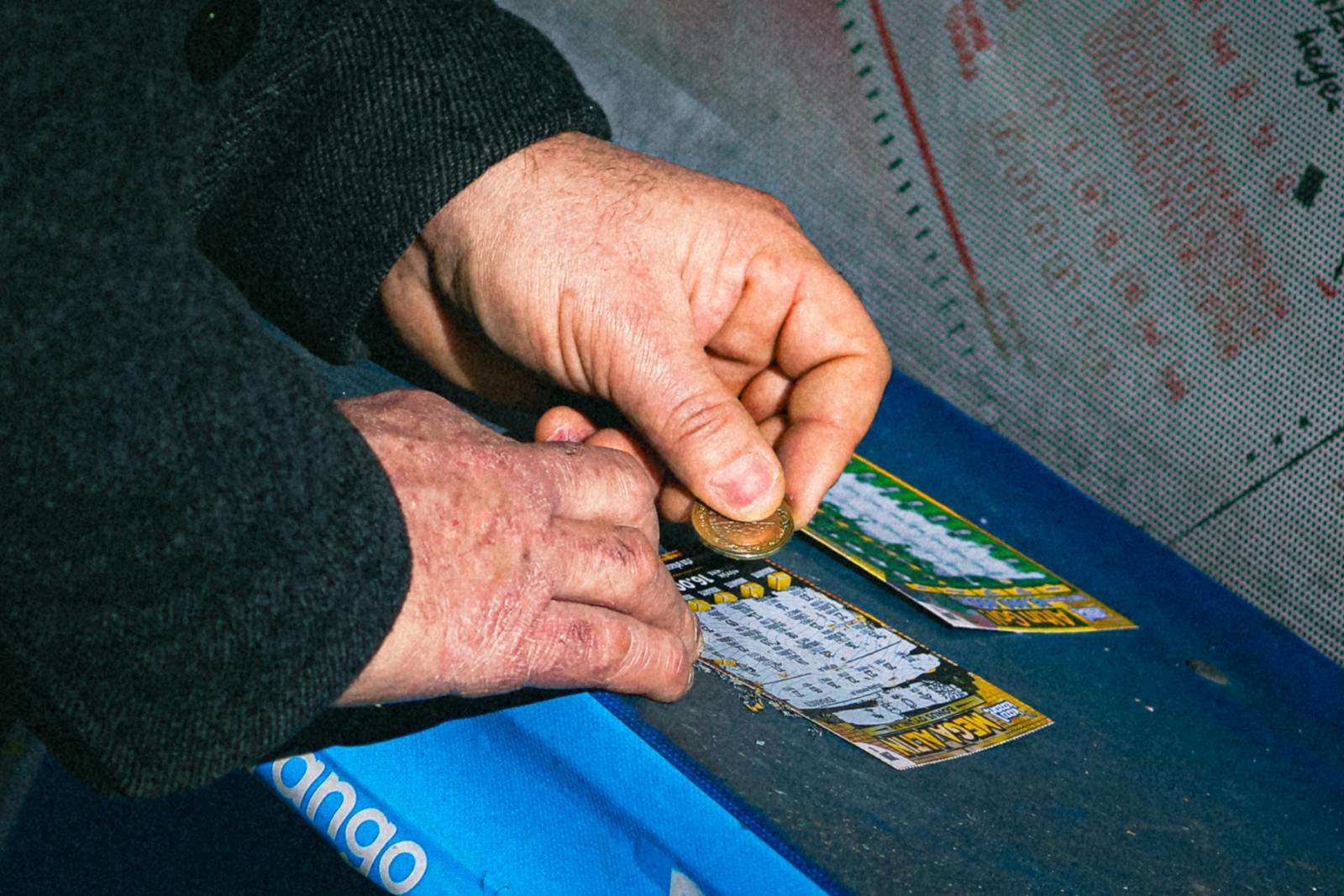
What people mean by “scratch-off codes”
Search “scratch-off codes” and the top results are articles, YouTube videos, and Facebook posts. They all claim there’s a short code printed on the ticket that tells you if it’s a winner before you scratch. The story is usually that some former lottery worker leaked the trick, or that a sharp-eyed clerk figured it out. Quick gut check: if a former lottery worker had really cracked the code, would they be telling everyone on YouTube for ad money? Or would they just be cashing in the winning tickets at home?
There is no such code. State lotteries use a serial number to check every ticket against a private list of winners. The win or loss is in that list, not in any pattern on the front of the card. What the lottery does share with the public is something else. More on that below.
What the codes printed on a ticket actually are
Most scratch-off tickets do have a few short codes printed in small text near the barcode or under the silver scratch coating. Each one has its own job:
- Validation number. This is the unique number the clerk’s lottery machine scans to find out if your ticket won. The machine looks the number up in the lottery’s database. The code itself doesn’t say “winner” or “loser.” It just tells the database which ticket to check.
- Pack number. This tells the lottery which print batch the ticket came from, and which slot it sat in inside that batch. The lottery uses it to keep track of inventory and to spot fraud.
- Game number. This tells you which scratch-off game your ticket belongs to. A state’s “$10 Million Spectacular” game might be game number 1576, for example.
None of these codes say anywhere a player can read whether the ticket is a winner or a loser. The clerk has to scan the ticket to find out, and so does anyone else who picks it up. If the clerk could spot a winner just by looking at the codes, every clerk in the country would be quietly buying the winners off their own racks before the doors opened. They don’t, because they can’t tell either.
Why a hidden code couldn’t work, even in theory
For a printed code to reveal winners, two things would have to be true. First, all the winning tickets would need to share a code pattern that always meant “winner.” Second, nobody who handles those tickets, from the print shop to the warehouse to the store clerk, would notice the pattern. Or, if they did notice it, none of them would act on it. How many people do you think work in a state lottery’s print and delivery pipeline? And how many of them do you think would sit on a money-printing secret for years?
State lotteries use internal controls and outside vendors for security reviews on every game they ship. A pattern you could see on the ticket would be the first thing those reviews would catch. It would turn every gas station and convenience store into a possible source of fraud overnight. A pattern like that would not survive even one round of checks.
What public data state lotteries actually publish
Mid-build on Scratch IQ, I walked into a Florida gas station to buy a scratch-off and ended up standing in line for fifteen minutes. The reason: the people in front of me were cashing in winning lotto tickets, one after another. By the time I got to the counter, I still had no idea which scratch-off to buy. The wall of games behind the clerk had a bunch of different options at a bunch of different prices, and not one of them came with anything telling you which one had the most prize value left.
The line told me one thing: people love the lottery, and the wins are real. The counter told me another: nobody was showing them which game had the most prize money left. That’s the question the public data answers, if you’re willing to do the math.
What state lotteries do share, every single day, is each game’s prize chart: how many prizes were printed at each prize level, how many of those prizes have been claimed, and how many are still out there. That public data lives on the lottery’s own website. You can see it yourself on the Florida Lottery’s scratch-off page (click any game and scroll to the prize chart), the New York Lottery’s scratch-off games page, or the equivalent page for your own state. It is also the source of every number on this site. See the methodology page for where the data comes from in each state, and the formula Scratch IQ uses.
None of this is hidden. Most state lotteries post these counts on a public webpage anyone can read. It’s a fairly quiet corner of the internet, while the codes-myth content racks up the views.
The remaining-prize data is useful in a specific way. As prizes get claimed, the average prize money you would expect to win per dollar spent on a game changes. A game with several top prizes still up for grabs has a higher EV/Dollar than the same game after most of its top prizes have been claimed. That is straightforward math, built from numbers the lottery itself publishes, not from any pattern hidden in the print.

The difference between “codes” and “EV”
The codes story claims you can know what a single specific ticket will do before you buy it. That claim is false. EV/Dollar does something different, and the difference matters. It tells you the average amount you would expect to win per dollar spent across many tickets in a given game today, based on which prizes are still out there. It is an average across lots of plays, not a guess about the one ticket you are about to buy. Every scratch-off ticket is random on purpose. That randomness is the whole point of the game, both for the player and for the lottery. Anyone selling a tool that can tell you what the next ticket will do is selling fiction.
Here is how to read the number. A game with an EV/Dollar of $0.85 is a game where the average return is 85 cents on every dollar spent. The lottery still keeps 15 cents on average, even on that game. Your individual ticket is still random. Scratch IQ shows you which games have the most prize money still out there, so you can compare them with real numbers. See the Florida ranking or any other launched state for a current view.
Bottom line
There is no public scratch-off code that tells you if a ticket is a winner. The codes printed on a ticket (validation numbers, pack numbers, game numbers) are just tracking numbers. The lottery’s computer uses them to look up the win or loss in a private list players don’t see. The real public data, the kind anyone can check, is the count of how many prizes are left at each prize level. Most state lotteries post that count every day. That is what Scratch IQ reads to rank games by EV/Dollar.
Related questions
- Are scratch-off tickets random?
Yes. Every scratch-off ticket’s outcome is set when the ticket is printed, and which prize goes on which ticket is randomized inside each print pack. State lottery commissions audit and test this. Knowing a game’s EV/Dollar tells you the average return across many tickets, but the next individual ticket you buy is still random.
- How do I find the scratch-off game with the best odds?
Best odds and best EV/Dollar are different. Overall odds measure how often a ticket wins anything, including small prizes. EV/Dollar measures the average return per dollar across many tickets, weighted by prize size. Scratch IQ ranks by EV/Dollar because it captures prize value remaining: a game with most of its top prizes still unclaimed has a higher EV/Dollar than the same game after those prizes have been won. See the Florida ranking or pick your state.
- Are scratch-off codes the same in every state?
- The codes on the back of a scratch-off ticket follow the same general purpose in every state: a validation number, a pack number, and a game number. The exact formatting varies state to state, but the function is the same. None of them encode the win or loss anywhere a player can read.
- How does Scratch IQ get its data?
Scratch IQ reads each state lottery’s own published prize-tier page every day, computes EV/Dollar from the same formula across 41 states + DC, and shows the work on the methodology page. Anyone can reproduce the numbers from the same public sources.
Scratch IQ is independent and is not affiliated with, endorsed by, or sponsored by any state lottery commission. This article is informational only — not gambling, financial, or investment advice. Every scratch-off ticket is random; past rankings do not predict individual outcomes.
You must be 18 or older (or your state’s minimum lottery age, whichever is higher) to play. Play responsibly.