$1 Million Scratch-Off: What Do You Take Home?

Larry Nguyen
Founder of Scratch IQ
Written
Quick answer
Federal withholding on a lottery prize over $5,000 is 24 percent, taken before you are paid. Because a large prize usually lands in the top federal tax bracket, you can owe more when you file, and your state may withhold its own share on top.
The number on the ticket is not the number you take home
A scratch-off says “WIN $1,000,000” in big letters on the front. Nobody hands you a million dollars.
Benjamin Franklin wrote that nothing is certain except death and taxes. He never bought a scratch-off, which quietly adds a third certainty to the list. Consider how the arrangement works: the state sells you the ticket, keeps a share of what you paid for it, and then taxes the prize if you happen to win.
As of September 13, 2026 there are 1,193 prizes of a million dollars or more still unclaimed. They sit across 486 active games in 41 states plus Washington, D.C. So somebody is going to have to answer this question.
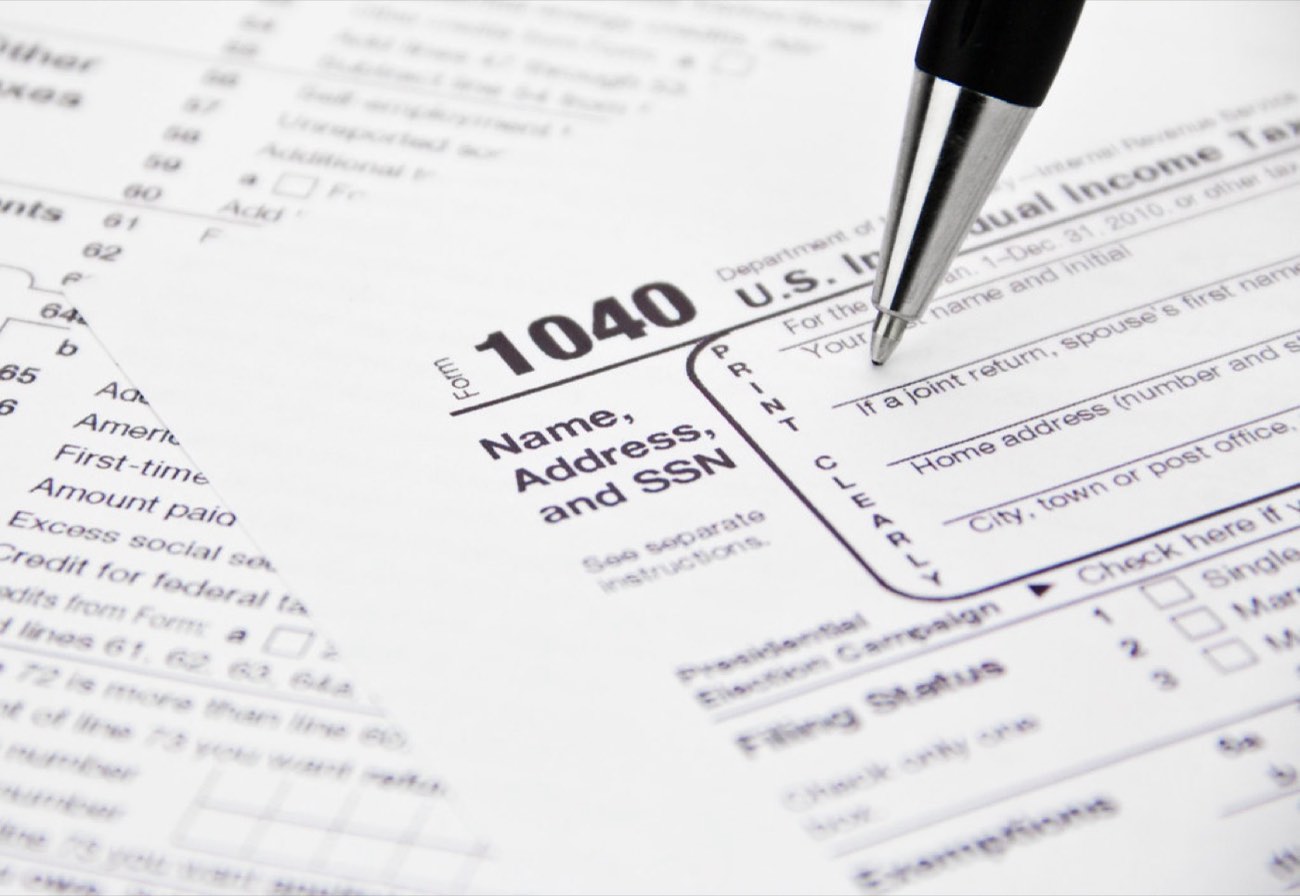
This page explains general federal rules so you know what to expect. It is not tax advice. Tax rules change and every winner’s situation differs, so check with a qualified tax professional before making any decision about a prize.
What comes out first
For a prize over $5,000, the lottery does not wait for tax season. It takes a cut before it pays you. The federal withholding rate on that kind of prize is 24 percent. On a $1,000,000 prize, that is $240,000 gone before the check is printed.
Your state may take a cut at the same moment. Some states tax lottery prizes and some do not. A few, like Florida and Texas, have no state income tax at all, so a winner there only deals with the federal side. Other states withhold their own percentage on top of the federal 24 percent. The rate depends on where you live and where you bought the ticket.
Then you may owe more in April
The 24 percent that gets withheld is not the final bill. It is a down payment. Plenty of winners find that out in April, which is the worst possible time to learn it.
Lottery winnings count as regular income. A prize this size can push a winner into one of the highest federal tax brackets, and those rates run well above 24 percent. So the withholding covers part of what you owe, and the rest comes due when you file. A winner who spends the check before tax season can end up owing money they no longer have. The IRS page on gambling income lays out the rules, and a million-dollar prize is the kind of event where a real accountant pays for themselves many times over.
Lump sum or yearly payments
Big scratch-off prizes often come with a choice. Take one smaller payment now, or take the full advertised amount spread across twenty or thirty years.
The advertised number is almost always the yearly-payments number. The lump sum is smaller, because the lottery is handing you money today that it planned to pay out slowly. That is not a trick, it is what money is worth over time. It is also why the number on the poster is the biggest one the lottery can honestly print. But it does mean a “$1,000,000” ticket can turn into a lump-sum offer well under a million, and then taxes come out of that.
The best option depends on your age, your other income, and your plans for the money. That is a question for an accountant, not for a website.
A rough walk-through
Say you win a $1,000,000 top prize and take the lump sum. A common shape looks like this:
- The advertised prize is $1,000,000 paid over many years.
- The lump-sum option is a smaller figure, set by the lottery.
- 24 percent of that comes out for federal withholding right away.
- Your state may take its own cut at the same time, or none at all.
- At tax time you settle the difference between what was withheld and what you actually owe at your real rate.
Every state runs its own prize rules, so the exact numbers differ. Your state lottery publishes its own prize-claim page with the details, and that page is the one to trust for your state.
The bottom line
The number printed on the front of the ticket is the number before taxes, and usually before the lump-sum discount too. Whatever it says, plan on keeping a good deal less. On a million-dollar prize, 24 percent is withheld immediately and more can come due in April.
If you want to see which games still have their big prizes unclaimed, that is public information. Scratch IQ reads it from each state lottery every day and shows the remaining count per prize level. See the biggest unclaimed prizes by state, pick your own state from the state list, or read how the numbers are put together on the methodology page.
Related questions
- How much tax is taken out of a $1,000,000 scratch-off?
- Federal withholding on a lottery prize over $5,000 is 24 percent, so $240,000 on a $1,000,000 prize. Your state may withhold more, and because a prize that size usually lands in the top federal bracket, you can owe additional federal tax when you file.
- Do you pay taxes on small scratch-off wins?
- Lottery winnings are taxable income no matter the size. Nothing is withheld automatically on small prizes, but the winnings are still reportable. Withholding generally kicks in on prizes over $5,000.
- Which states do not tax lottery winnings?
- Several states have no state income tax, including Florida and Texas, so lottery prizes there face only federal tax. Other states withhold their own percentage. Rules change, so check your own state lottery's prize-claim page for current figures.
- How many million-dollar scratch-off prizes are still unclaimed?
Scratch IQ counts 1,193 prizes of $1,000,000 or more still remaining across 486 active games in 41 states plus Washington, D.C., based on the prize-tier counts each state lottery publishes. You can see the remaining top-prize counts for your own state on its state page.
Scratch IQ is independent and is not affiliated with, endorsed by, or sponsored by any state lottery commission. This article is informational only — not gambling, financial, or investment advice. Every scratch-off ticket is random; past rankings do not predict individual outcomes.
You must be 18 or older (or your state’s minimum lottery age, whichever is higher) to play. Play responsibly.